Writing: Those Darned Dates
I’m currently editing a historical fiction manuscript that shall remain nameless. Part of my job is to check and identify those annoying little glitches in time that cause story events not to line up properly. Such mistakes occur often while writing a novel: a character based on a historical person does something after s/he/they died in real life. Or before they were born, which is just as problematic. I encountered such an issue in the manuscript in question, and it’s going to be a bear to fix, because both halves of the mismatch contribute something important to the novel.

In that case, however, my job is to point out the discrepancy and step back, knowing the author will probably curse my name (and sympathizing with the impulse). Not so when it comes to my own work. There, because no one can know every detail that a novel will require, even when the writer has spent decades studying the time and place in question, I occasionally trip over my own feet and have to figure out how to match up storylines that don’t connect in quite the same way I expected them to.
With the as-yet-not-quite-drafted Song of the Sleuth, for example, I created a backstory for the hero, Armando Delfino, that involved the English explorer Anthony Jenkinson (1529–1611), only to realize, when I began imagining Catch a Falling Star, that I had mistaken the route of Jenkinson’s first voyage for his second. Arman’s backstory can still be made to work, but he needs to apply a different set of skills for that to happen. And, of course, I need to scour the manuscript for missing references to the old story that no longer fits.
Meanwhile, as I learn more about the court of Elizabeth I in preparation for writing Catch a Falling Star, I constantly trip over annoying obstacles to my main heroine’s character arc. Here, unlike with Muscovite Russia, I have relatively little specific background on the period, so there are many more rocks on which I can stub an authorial toe. Right now, I’m struggling with the timing of my heroine’s acceptance into the court—which, other than her agreement to travel to London in the first place, marks the beginning of her emotional journey.
One tiny piece of information on this particular event exists in the records: a gift of clothing from the queen’s wardrobe, conferred on “a Tartarian woman” sometime between January 31, 1560, and May 16, 1561 (even that’s a bit blurry, because the document says “the third year of her reign, 1560,” although the third year of Elizabeth’s reign ran from November 17, 1560, through November 16, 1561). We know that Jenkinson did not leave Muscovy until the summer of 1560, so it’s unlikely he reached London before August, and September is quite probable. But what happened between then and mid-May 1561, when he again embarked for Moscow while apparently leaving his “Tartarian” behind, is anyone’s guess.
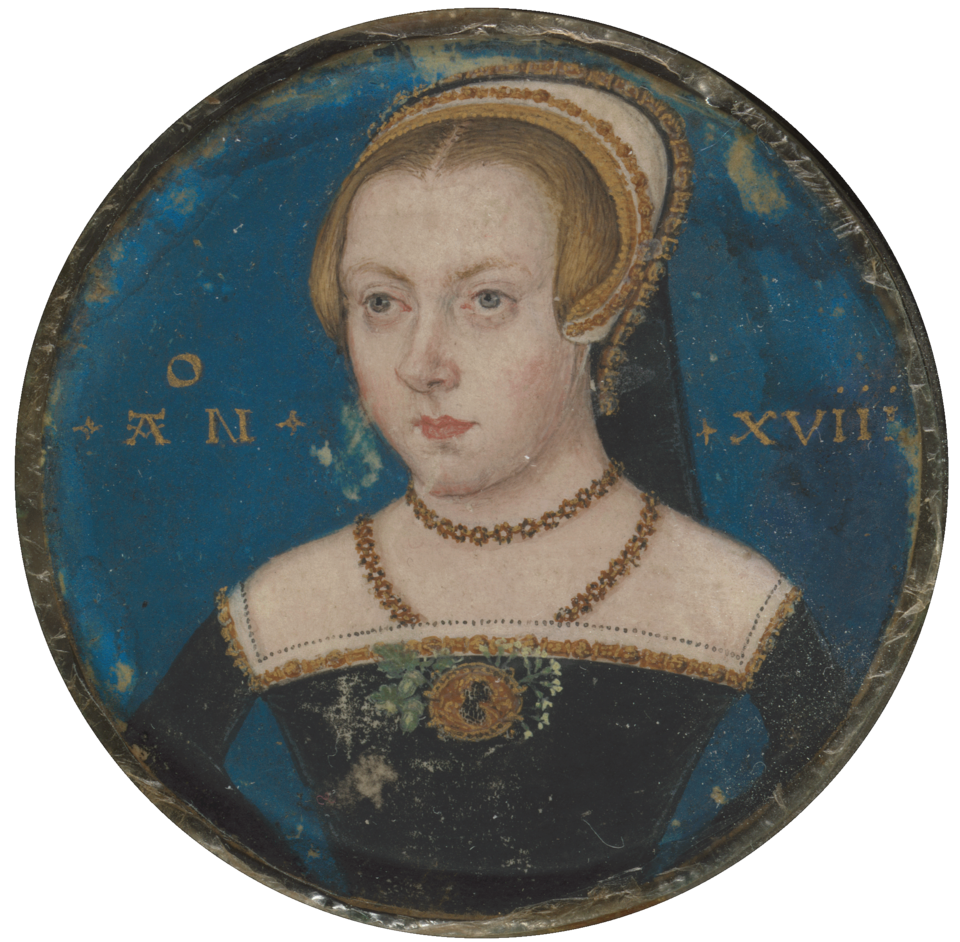
I’d forgive you for asking, So what? Just pick a date and be done with it. But in 1560–1561, one date is not just like another. On September 8, 1560, right around the time when Jenkinson and his companion completed their journey from Russia, news reached London that a woman named Amy Robsart had died by falling down the stairs in her Oxford manor. Robsart’s death caused a scandal, because she was the abandoned wife of Queen Elizabeth’s favorite, Lord Robert Dudley, who reportedly was in the midst of trying to divorce his unwanted spouse (not an easy task in Tudor England)—probably in the hope that he could then exploit Elizabeth’s long friendship and more recent flirtation with him to make himself king of England.
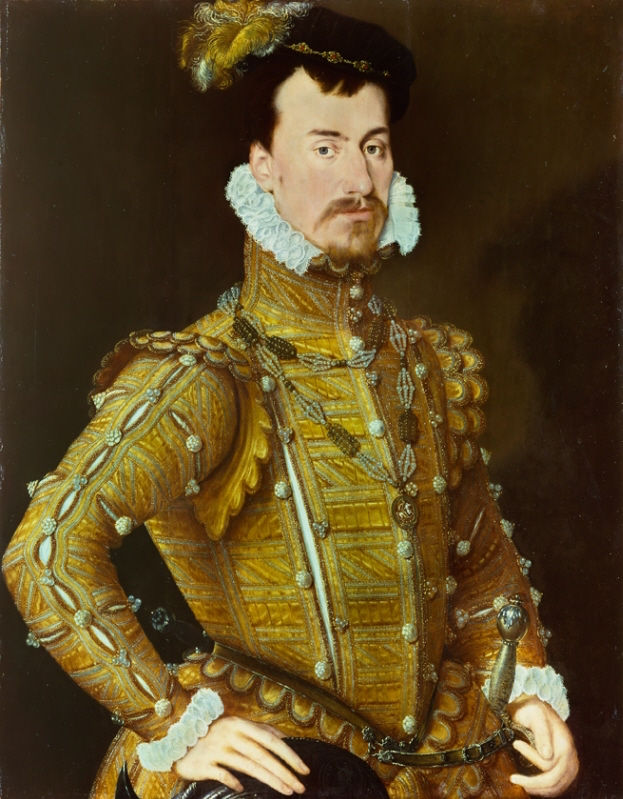
Many people would have opposed that plan—quite possibly including Elizabeth herself. But Dudley’s odds of success or failure are not the point. The story had legs, as they say in journalism, and even today scholars argue over whether Amy died or was pushed or even committed suicide, whether Elizabeth knew and condoned the plan or perhaps secretly ordered her rival’s murder, and what role Dudley played in the tragedy. For sure, the scandal and the gossip it provoked seems to have permanently put paid to any intentions the queen may have had of marrying her childhood friend.
Before Dudley withdrew from court in the wake of his wife’s death—and again when he returned a few months later—he served as the queen’s Master of the Horse. My heroine, a Tatar from the steppe (at least in my imagining, because we know little of Jenkinson’s Aura Soltana, and even her name is clearly his anglicized rendering), is in some ways the perfect person to share the queen’s known love for riding horses. That would establish a relationship for them while letting the queen vent a bit about the man who just mucked up her life. So long as I get the dates right …
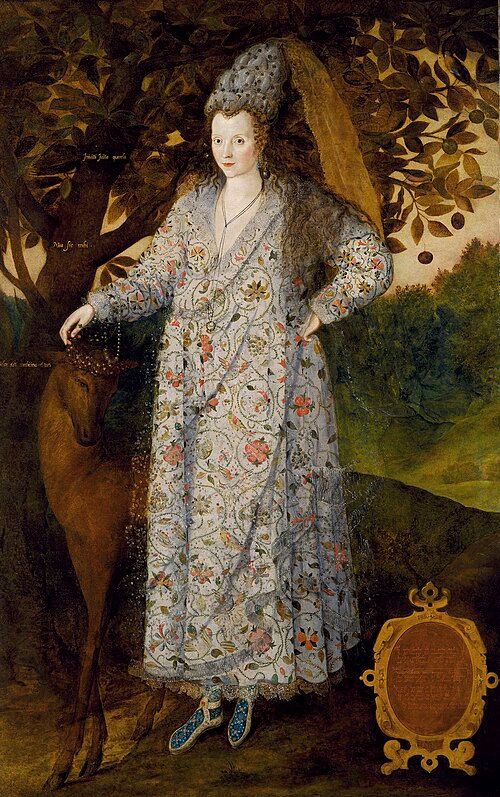
Images: Coronation portrait of Elizabeth I (1559), after Levina Teerlinc; Portrait of an Unknown Lady (ca. 1535), by Lucas Horenbout (possible miniature of Amy Robsart Dudley); portrait of Robert Dudley (ca. 1560) by Steven van der Meulen, all public domain via Wikimedia Commons